

How to reduce phone calls in a restaurant
The phone ringing in the middle of service is a restaurant's most invisible cost — the person with their hands full has to answer, while the person on the other end is left waiting.
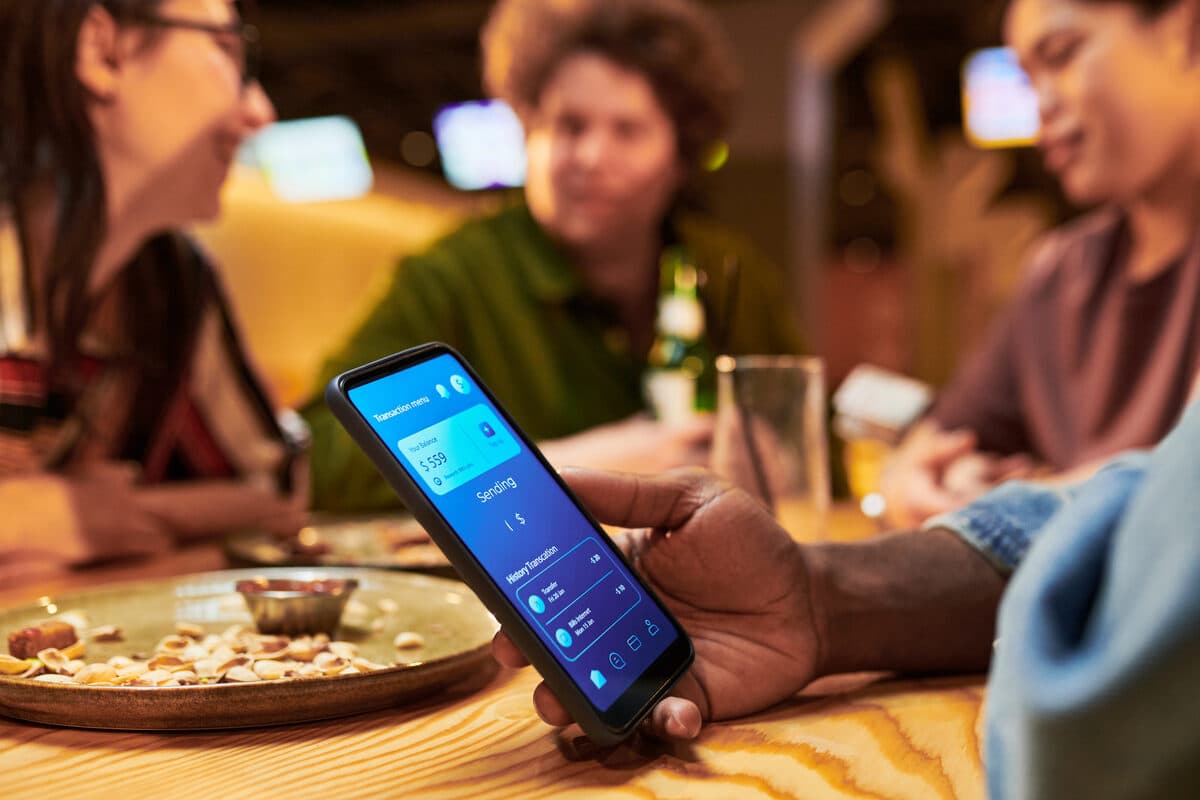
There is a specific moment in almost every busy restaurant service: the phone rings, someone from the team drops what they are doing to answer it, and on the other end, a customer is trying to make a simple reservation. This moment repeats dozens of times a week, and its cost is rarely measured — it doesn’t appear on any spreadsheet, but it is there, divided between the person answering and the guest being poorly served.
Most calls received by a restaurant focus on a small group of reasons: reservation requests, confirmations, menu inquiries, or change requests for an existing booking. None of these reasons inherently require a call — all of them can be solved via text message, provided there is a channel prepared to respond intelligently.
This guide shows how to prepare that channel in three steps, using the AI agent and unified inbox from WhatSMS.
Step 1 — Make WhatsApp visible where customers look for information
For WhatsApp to be effectively used as an alternative to the phone, the number must be visible where customers already look for information — social media, website, Google Maps — and can also be included in an automated message for missed calls.
Step 2 — Configure the AI agent's knowledge base
Upload your menu, FAQ, or the restaurant's website URL into the agent's personalized knowledge base. With this information, the agent automatically answers questions about the menu, availability, and operating hours, without interrupting anyone on the team during service.
Step 3 — Define when the conversation should escalate to the team
Configure the human handoff for cases that still require attention — such as a large group reservation with special requests or an unusual situation. The agent transfers the conversation with an automated summary, and these cases arrive as exceptions rather than the bulk of the incoming volume.
Measuring the difference
Comparing the number of incoming calls before and after making WhatsApp the primary channel is the most direct way to understand the real impact, using the restaurant's own data rather than a generic promise.
The impact on a busy night
On a Friday or Saturday night, when the phone rings most frequently, the difference is even more visible: fewer interruptions mean a team more focused on the service at hand, precisely at the time when that attention is most needed and most scarce.
Overall, this change does not eliminate the phone; it just restores it to its most logical role: being available for those who truly prefer to call, without being the only channel burdened by the entire volume of requests.
You can test this for free and see how many of the calls that currently interrupt your service can be resolved automatically.
Frequently asked questions
How do customers know they can contact us via WhatsApp instead of calling?
The number should be visible wherever customers look for information — social media, website, Google Maps — and can also be included in an automated reply for missed calls.
What kind of questions can the AI agent answer without human intervention?
Questions about the menu, availability, operating hours, and the booking process, based on the agent's personalized knowledge base (PDFs, FAQs, or the restaurant's own website).
Do phone calls disappear completely after activating WhatsApp?
No — the goal is not to eliminate the phone, but to restore its role as a channel for those who truly prefer to call, without it being the only way to handle the entire volume of repetitive requests.
How can I measure the actual impact on my team?
By comparing the number of incoming calls before and after making WhatsApp the primary channel, using your restaurant's own data rather than a generic estimate.