

How to Reduce the Number of Phone Calls at a Clinic's Front Desk
Not every call needs to be a phone call. Most can be resolved with a quick response—the problem is the channel, not the question.
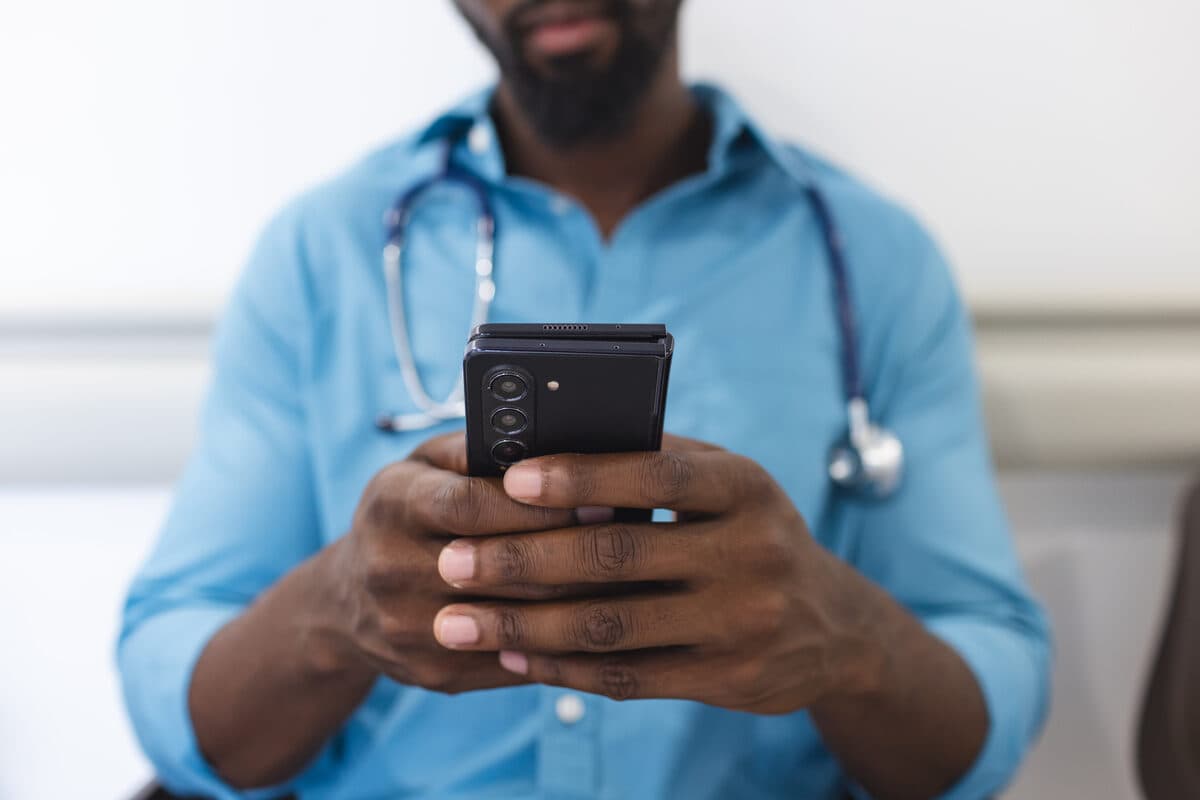
If you count, at the end of the day, how many calls a clinic’s front desk receives, it’s likely that most of them boil down to a small group of recurring questions: “What time is my appointment?”, “Can I reschedule?”, “Do you have any openings this week?” None of these questions inherently requires a phone call—they just require a quick and accurate response.
The reason these questions still come in over the phone isn't a lack of alternatives—it's a matter of habit, on the part of both the clinic and the patient. This guide shows how to redirect these questions to WhatSMS by using inbox unificada e o construtor de automações.
Step 1 — Make WhatsApp a visible channel
Post the clinic’s WhatsApp number on social media, on the website, and in an automated message responding to missed calls. Without a clearly visible alternative channel, the phone remains the most obvious option, even when it isn’t the most efficient for anyone.
Step 2 — Sync the calendar
Link the clinic's Google Calendar or Microsoft Outlook to WhatSMS so that automatic replies regarding schedules and availability always reflect the actual calendar.
Step 3 — Create automatic replies for the most common questions
In the workflow editor, set up keyword triggers (for example, "schedule," "appointment," "availability") that automatically answer recurring questions without waiting for human intervention. Questions that don’t fit this pattern will still be routed to the team, with enough context for them to decide how to proceed.
Step 4 — Track migration over the course of a few weeks
Compare the number of calls received before and after WhatsApp became the primary communication channel, using actual figures from the clinic itself—there is no universal percentage for how much this reduces the number of calls, because it depends on the current volume and the type of questions received.
Not all preventable calls are the same
Some of the calls that come into the front desk today are actually from patients who have already tried sending a message but didn’t receive a response quickly enough—which leads them back to the phone out of habit, to ensure they get a response. As trust in the WhatsApp channel grows, this pattern tends to reverse: the phone is no longer the fallback option, because the message gets the job done on the first try.
You can testar isto sem custo, com a conta gratuita — open a channel and see, in practice, how many of the questions that come in by phone today end up resolving themselves.
Frequently asked questions
Does this mean turning off the phone at the clinic?
No. The phone number is still available; the goal is to provide a visible alternative for questions that don't require a phone call.
How does the system know how to answer the most common questions automatically?
Through keyword triggers configured in the workflow, which recognize frequently asked questions about schedules, availability, or rescheduling and respond without human intervention.
What kinds of questions still require human attention?
Specific clinical questions, sensitive situations, and unusual requests continue to come directly to the team.
How does the clinic know if this is actually reducing the number of calls?
Comparing the number of calls received before and after WhatsApp became available as the primary channel, using the clinic's own actual figures.
Do I need to change my current phone number?
No. The phone number remains the same; the WhatsApp becomes an additional channel, not a mandatory replacement.